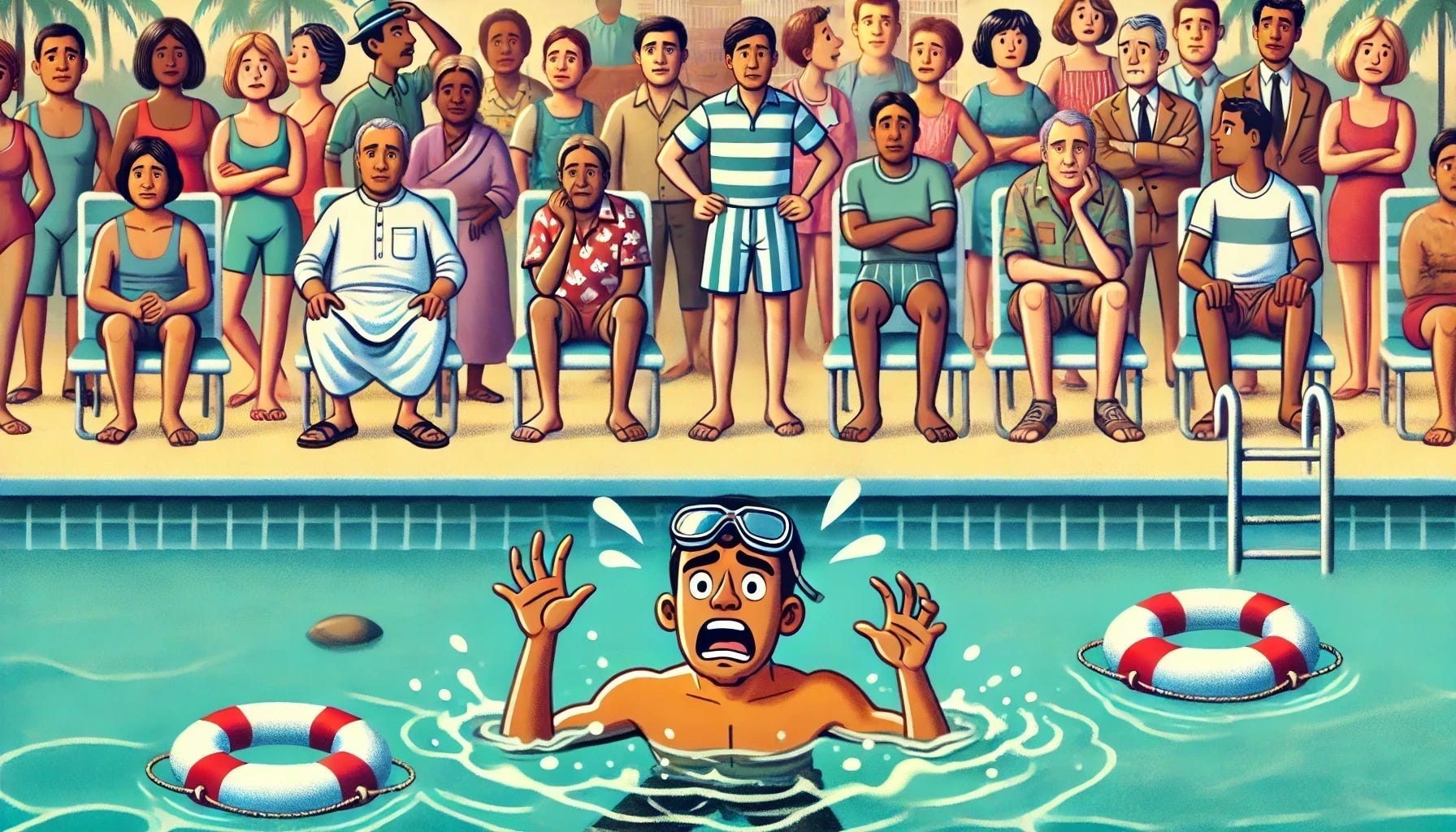
“Is he about to drown?” “That’s so embarrassing.” “I can’t believe he’s struggling so much, how old is he?”
I’m guessing people around me were having these thoughts as I struggled to swim any distance in this 3 foot (1 meter) deep pool that was 24 yards (22 meters) across. Anytime I tried to swim freestyle and come up for air, I would instead get a nice gulp of chlorinated water and my legs would sink immediately like bricks. Meanwhile, little kids who were half my age were zipping past me like Michael Phelps.
So how did this sorry state come to be? How did I get to 27 years old without learning swimming?
The Big Picture
You may be surprised to hear that I’m actually in the majority. Globally, the percentage of swimmers is 45%. There is much variance though: Over 90% of Swedes are swimmers while it’s less than 20% among Rwandans. For India, where my family is from, it is less than 40%.1
What causes these disparities? There are economic and cultural reasons. On average, wealthier countries tend to have higher rates of swimmers. This makes sense as these countries would also have more income to fund national swimming programs and build public pools.2
With regards to culture, globally, 57% of men know how to swim while only 32% of women do.3 This discrepancy is wider in lower-income, socially conservative countries. Norms in countries like India, for example, consider it inappropriate for a woman to publicly wear even a modest swimsuit.
While these disparities may not seem important, drowning is the third leading cause of accidental death worldwide (preceded by traffic accidents and falls). Three hundred thousand people drown globally every year. One person drowns every two minutes and three people will have drowned by the time you finish reading this post. It’s tragic that so many die from something preventable.
Avoidance
However, this doesn’t explain why I in particular can’t swim. Sure, being Indian means I was less likely to learn as a child, but why didn’t I learn as an adult? I grew up and live in the US where there are many pools, swimming classes, and instructors.
The hard truth was that I feared discomfort.
I feared splashing around like an overgrown toddler while countless strangers looked on with pity. I especially did not want to look weak in front of sexy women in bikinis. As silly as these beliefs sound, these were the fears that kept me from learning to swim.
And so I delayed. I accepted the drowning risk if it meant I could escape public humiliation. I planned to just avoid the water. However, I still occasionally found myself at events with swimming. In these cases, I did my best to stay near the shallow waters.
While this mostly worked, the shame of being unable to swim would always come up. Whenever friends would invite me to swim closer to the deep end, I would sheepishly fib, “I’m not that good at swimming.” This was relatively less embarrassing than me being honest and saying, “I have no idea how to swim.”
Afterwards, I would suddenly feel this burst of motivation. I would tell myself: “Being the only person who didn’t know how to swim was horrible! Alright, I’m finally gonna make this a priority now and learn!”
I admittedly did try a few times. There were at least two occasions where I went to the pool with a friend who agreed teach me. There was even one time I signed up for an adult swimming class and I attended most of the lessons. However, in both cases, my efforts would fizzle out before I actually learned. While I gained the knowledge, I failed to practice enough so I could actually apply and ingrain it.
The main reason I didn’t practice enough was because I didn’t want to practice alone and “teach myself bad swimming habits.” I convinced myself that in order to learn, I always needed another person there to critique my form so that I could minimize the mistakes I made.
I convinced myself that this was necessary so I could learn as quickly and efficiently as possible. While this may sound plausible, this perfectionism was just a defense mechanism so I could reduce the amount of time I looked stupid in front of other people while I practiced.
Perfectionism in this case did not lead me to perfect execution, it just led me to inaction. And so I found myself caught in this avoidance cycle:
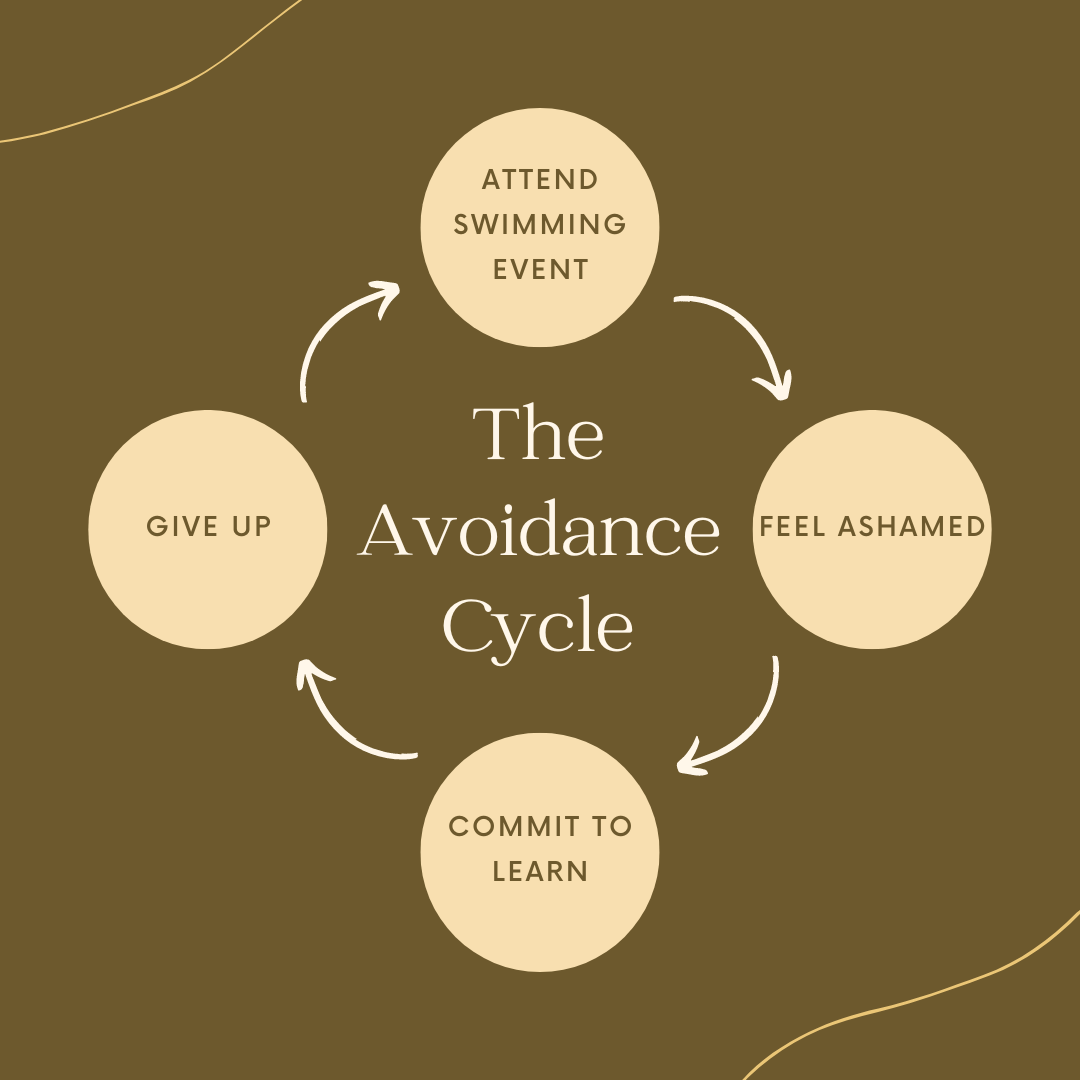
Go to a social event with swimming
Feel ashamed for not knowing how to swim
Commit to learning so I avoid future shame
Give up after minimal effort so I don’t look stupid while practicing
So while there may be cultural reasons for why I didn’t learn as a child, it was ultimately my responsibility that I didn’t learn as an adult.
Perfectionism in this case did not lead me to perfect execution, it just led me to inaction.
Imperfectionism
I found myself restarting the cycle a few weeks ago on a group hiking trip. During the hike, we stopped by a lake for a swim. While all my friends swam deep in the water with ease, I cautiously stuck near the shore. I felt lonely as I watched several of them joyously race each other and play tag.
I then recommitted to learning. This time, however, things would be different. I had just finished reading Disciple Equals Freedom by Jocko Willink where he taught me his approach to life. In one section of the book he writes:
People constantly ask me for the secret of getting up early.
I tell them it is simple:
SET YOUR ALARM CLOCK AND GET OUT OF BED WHEN IT GOES OFF.
That’s it.
I remember laughing out loud when I read this as it felt like a personal attack. So much of my life has been spent searching for the best ways of doing something. Want to learn a language? Let me find the best app. Want to work out more? Let me find the best regimen. Want to meditate more? Let me find the best meditation method.
Obviously, strategizing has its value. However, I often spent too much time planning and too little time doing.
I now realize what was really going on: I was trying to find a method that would help me avoid all discomfort. What I failed to realize was that no method could entirely eliminate the inevitable discomfort that comes from doing anything worthwhile.
And so with this latest swimming attempt, I planned less and did more. Here was my plan for learning how to swim:
Watch a few YouTube videos on how to float on my back and do freestyle.
Swim daily for an hour.
I thought it would take me several weeks to finally learn how to swim. In reality, by day 8, I learned how to swim freestyle all the way across a 24 yard pool while regularly taking side breaths. I also learned how to float on my back for 5+ minutes. It’s been a few weeks since then (I swim 1-2 times a week now) and I can feel my form and endurance gradually improve over time.
In addition to learning how to swim, I also learned a valuable lesson: My biggest barriers are more imaginary than real. I also learned how true this quote from General George Patton is:
A good plan violently executed now is better than a perfect plan next week.
What I failed to realize was that no method could entirely eliminate the inevitable discomfort that comes from doing anything worthwhile.
What are You Avoiding?
If you haven’t yet learned to swim, please learn as soon as possible! Not only can you gain an important survival skill, but you can also learn a new way to exercise. If you know someone who does not know how to swim, please share with them the Rocket Swimming YouTube channel and encourage them to learn! You just may end up saving their life 😎.
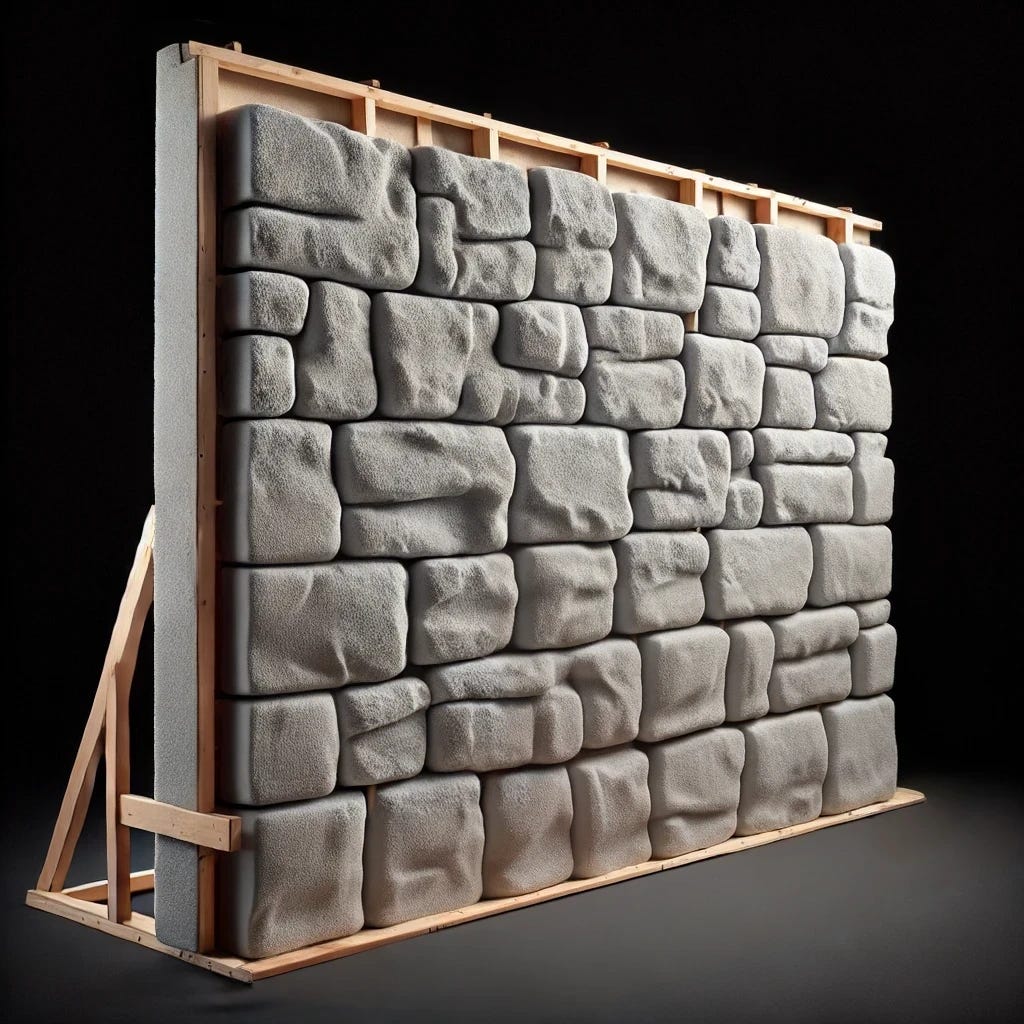
I also invite you to ponder the following question: What am I avoiding that I maybe shouldn’t? Whatever this may be, I encourage you to take a moment to investigate what you perceive are the barriers that prevent you from tackling this issue head on. Upon further investigation, you may come to see that the barriers were made of painted foam and wood as opposed to stone.